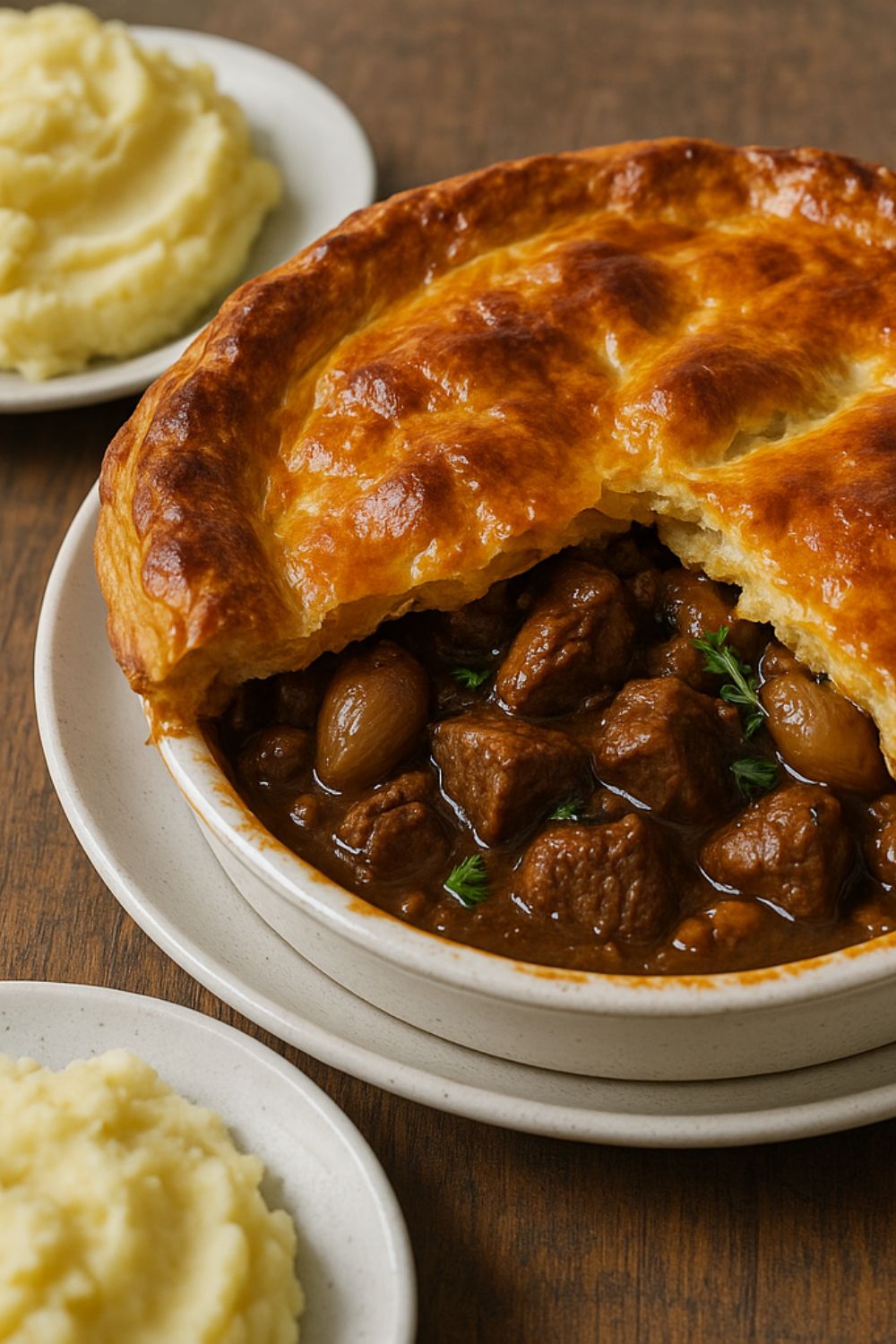
Steak & Guinness Pie Secrets: Layers of Flavor for Comfort Food Perfection
There are comfort foods, and then there's Steak & Guinness Pie. More than just a simple beef stew beneath a pastry lid, this iconic dish is a masterclass in building layers of deep, satisfying flavor. It’s the kind of meal that wraps you in warmth, evoking images of cozy pubs and hearty homemade goodness. Yet, many home cooks underestimate its subtle complexities, often resulting in a pie that's "just okay." The secret to achieving truly melt-in-your-mouth meat, a rich, complex gravy, and a perfectly flaky pastry lies not in a single magical ingredient, but in understanding and respecting each vital step – a symphony of patience and precision that transforms humble ingredients into something truly extraordinary.
The Foundation: Building Unforgettable Flavor from the Ground Up
The journey to an outstanding Steak & Guinness Pie begins long before the pastry is rolled out. It starts with a deliberate focus on the core ingredients and how they interact to create that essential deep, savory base.
Browning the Beef: The Non-Negotiable First Step
This is perhaps the most critical stage, setting the entire flavor profile for your pie. Many rush this, but resist the urge. Proper browning isn't just about searing; it's about initiating the Maillard reaction – a chemical process that creates hundreds of new flavor compounds and gives the meat those coveted caramelized edges and a rich, deep hue.
* **Choose Wisely:** Opt for braising cuts like chuck steak, shin, or skirt. These cuts are rich in collagen, which breaks down during long, slow cooking, yielding incredibly tender, succulent meat. Leaner cuts will simply dry out and become tough. Cube your chosen beef into roughly 1.5 to 2-inch pieces for optimal braising.
* **Don't Overcrowd the Pan:** This is key for effective browning. Work in batches, giving each piece of meat enough space to develop a dark, crusty sear rather than steaming in its own juices. Use a heavy-bottomed pan or Dutch oven with a good splash of olive oil, ensuring it's properly hot before adding the beef.
* **Season Aggressively:** Before browning, toss the beef cubes with plain flour, mustard powder, salt, and freshly ground black pepper. The flour aids in browning and later helps to thicken the sauce, while the mustard powder adds a subtle warmth and depth that you'd truly miss if omitted.
Aromatics and Umami: The Heart of the Gravy
Once your beef is beautifully browned and set aside, the pan is left with delicious fond – the caramelized bits stuck to the bottom. This is pure flavor gold and forms the bedrock of your gravy.
* **Sweet Shallots:** While regular onions work, shallots offer a sweeter, more delicate flavor profile that complements the stout beautifully without overpowering it. Sauté them gently in the beef drippings until softened and translucent, scraping up all that delicious fond as you go.
* **Tomato Purée for Depth:** A spoonful of tomato purée isn't just for color; it's a powerful umami booster. Cook it down with the shallots for a few minutes until it deepens in color, allowing its complex flavors to develop fully before adding liquids. This adds a crucial layer of richness that elevates the entire dish.
* **Building Complexity:** Consider adding finely diced carrots and celery after the shallots to contribute another layer of sweetness and earthy notes. This trio creates a truly robust aromatic base.
The Guinness Infusion: Stout's Transformative Power
The name isn't just for show; Guinness is the star here, transforming what could be a simple beef stew into a pie with unparalleled depth and character.
The Magic of the Stout
Not just any dark beer will do. Guinness, with its distinctive roasted barley notes and a bittersweet edge, is ideal. It brings a unique complexity that balances the richness of the beef and other ingredients. A cheaper, sweeter stout might still work, but it won't deliver the same nuanced flavor profile that Guinness provides. Avoid overly sweet porters; you need that slight bitterness to cut through and enhance the overall taste.
The Art of Reduction and Balance
The key is not to simply pour in the Guinness and walk away. For true depth, the stout needs time to reduce and caramelize, concentrating its flavors and mellowing its bitterness. Think of it as building a rich glaze, not just adding liquid.
* **Deglazing and Simmering:** Pour the Guinness directly into the hot pan after cooking the aromatics, scraping up any remaining fond. Bring it to a simmer, allowing the alcohol to cook off and the liquid to slightly reduce. This concentrates the stout's distinctive notes into a powerful essence for your gravy.
* **The Sweet Counterpoint:** This is where redcurrant jelly enters the scene, a brilliant inclusion by chefs like Mary Berry. It sounds unconventional, but a spoonful of redcurrant jelly provides a subtle, fruity sweetness that beautifully balances the stout's bitterness and the savory beef. It also contributes a lovely gloss to the finished gravy. If redcurrant jelly isn't available, a teaspoon of brown sugar with a dash of balsamic vinegar can achieve a similar effect.
* **Herbal Harmony:** Fresh herbs like thyme and bay leaves are indispensable. Add them early in the braising process so their flavors can infuse into the gravy. Fresh parsley stirred in at the very end adds a vibrant, fresh note that brightens the entire dish, preventing it from becoming too heavy.
The long, slow braising process, typically 2-3 hours, allows the tough collagen in the beef to break down, resulting in incredibly tender meat that practically melts in your mouth. This isn't a dish you can rush;
Mastering Steak & Guinness Pie: Flaky Pastry, Tender Beef Every Time truly demands patience.
The Pastry Perfection: Crafting the Ideal Lid
While the filling is undoubtedly the star, a perfect pastry lid is its crown. It needs to be golden, flaky, and structurally sound enough to contain the rich filling without becoming soggy.
Choosing Your Crust: Puff vs. Shortcrust vs. Suet
The choice of pastry significantly impacts the final experience:
* **All-Butter Puff Pastry:** As favored by Mary Berry, this offers an unparalleled flakiness and a beautiful golden-brown finish. It's light, airy, and feels truly indulgent. Store-bought, all-butter puff pastry is a fantastic shortcut worth the splurge.
* **Shortcrust Pastry:** Often preferred by chefs like Gordon Ramsay for its structural integrity, shortcrust provides a sturdier, more traditional pie crust. It holds its shape well and offers a satisfying bite.
* **Suet Crust:** For a truly old-school, robust pub-pie feel, a suet crust is unbeatable. It’s richer, more savory, and has a unique texture that pairs wonderfully with rich gravies.
The Cooling Imperative: Preventing a Soggy Bottom
This cannot be stressed enough: **the filling must be completely cool before you put the pastry on.** If the filling is hot, the steam it releases will condense against the underside of the pastry, making it soggy and heavy. This is a common pitfall that ruins countless pies. Prepare your filling in advance, even the day before, and allow it to cool thoroughly in the refrigerator. This not only ensures a crisp pastry but also allows the flavors of the filling to meld and deepen overnight.
Achieving That Golden Flakiness
Once the cool filling is in your pie dish, top it with your chosen pastry. Ensure it's sealed well around the edges. For an enviable golden sheen, brush the pastry with an egg wash (a whisked egg with a splash of milk or water). Don't forget to cut a few slits in the top to allow steam to escape during baking, preventing the pastry from puffing up too much and collapsing.
Mastering the Art: Beyond the Recipe
Creating the perfect Steak & Guinness Pie is an iterative process, much like any culinary art. It requires not just following a recipe, but understanding the 'why' behind each step. For a deeper dive into different approaches, consider
Mary Berry or Gordon Ramsay? Crafting the Perfect Guinness Pie.
* **Patience is Your Best Ingredient:** From the slow browning to the long braising, and the essential cooling of the filling, patience truly pays dividends. This is not a weeknight rush job, but a weekend project deserving of your time.
* **Taste and Adjust:** Seasoning is personal. Taste your filling before you add the pastry. Does it need more salt? A pinch of sugar to balance the bitterness? A dash more pepper? Adjust as needed. Remember, the Guinness can dilute the initial seasoning, so don't be shy.
* **Adapt and Experiment:** Don't be afraid to make minor tweaks. If you don't have redcurrant jelly, a little plum jam or even a tiny amount of treacle can work. For gluten-free diners, use GF flour for dredging and a high-quality ready-made GF puff pastry. Just ensure the GF pastry bakes up properly; some brands can indeed go soggy. A different stout or even a dark ale can replace Guinness, as long as it isn't overly sweet.
* **Make Ahead Magic:** The filling can be made a day or two in advance and stored in the refrigerator. In fact, many argue that the flavors deepen and improve overnight, making assembly on pie day a breeze.
Steak & Guinness Pie isn't just a meal; it's an experience. It’s the result of carefully building flavor layer by layer, from the deeply caramelized beef and aromatic base to the rich, stout-infused gravy and the delicate, golden pastry. By understanding and respecting these fundamental principles – the non-negotiable browning, the transformative power of Guinness, the critical cooling of the filling, and a dash of patience – you can move beyond a merely acceptable pie to craft a dish that truly embodies comfort food perfection, earning rave reviews and leaving a lasting impression.